
Effective workplace organisation is a critical foundation for operational excellence. This case study explores how a leading agricultural equipment manufacturer partnered with Lean Institute Africa to implement the 6S methodology, resulting in significant improvements in workplace safety, productivity, efficiency, and employee engagement.
By applying Lean principles and structured workplace organisation techniques, the company transformed its aluminium processing area into a safer, cleaner, and more efficient production environment.
The Challenge
The agricultural equipment manufacturer approached Lean Institute Africa with the goal of improving operational performance and resource utilisation.
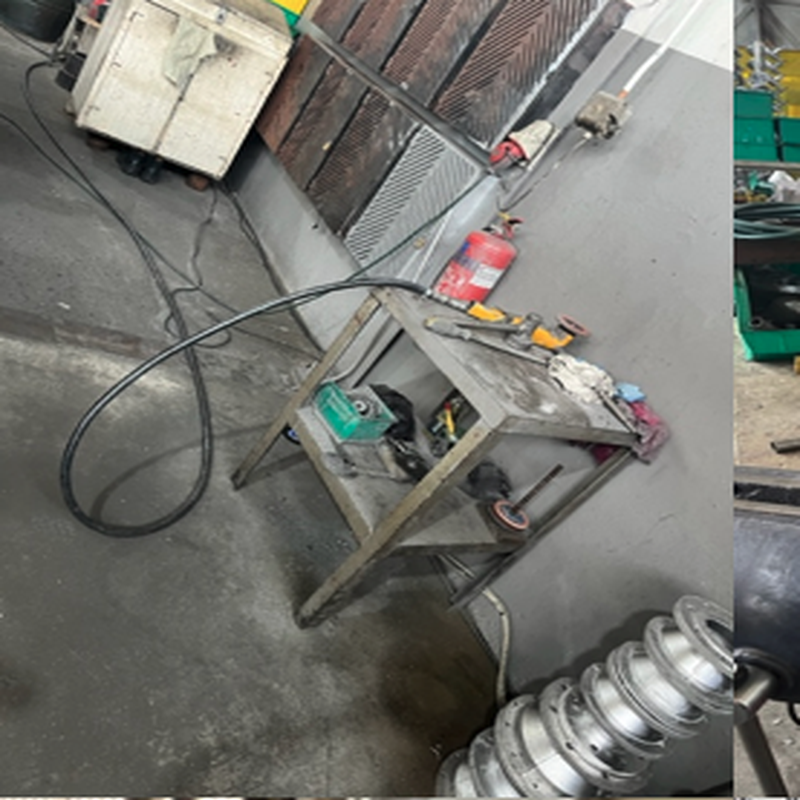
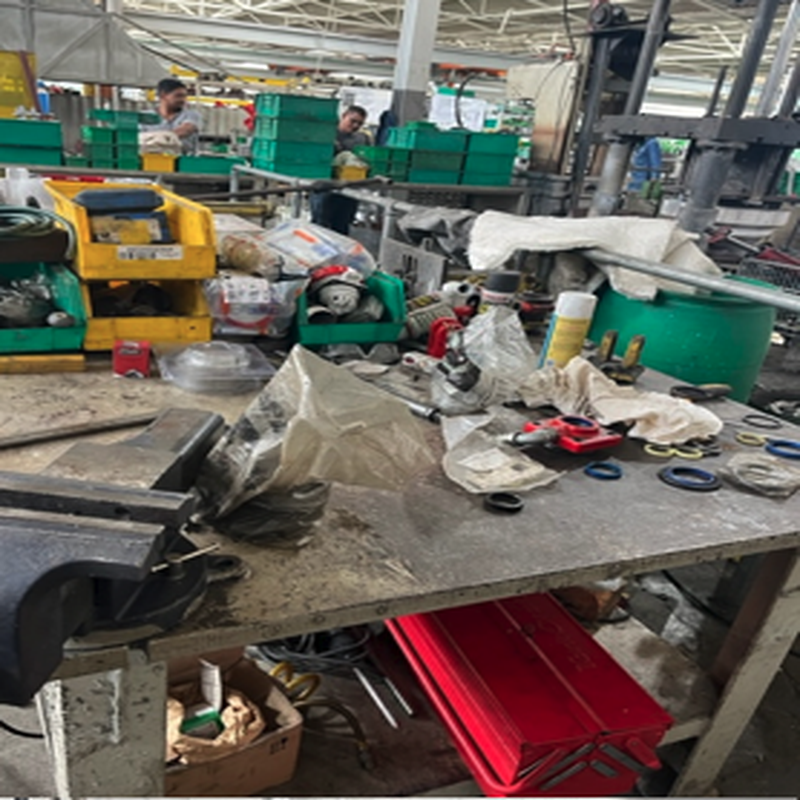
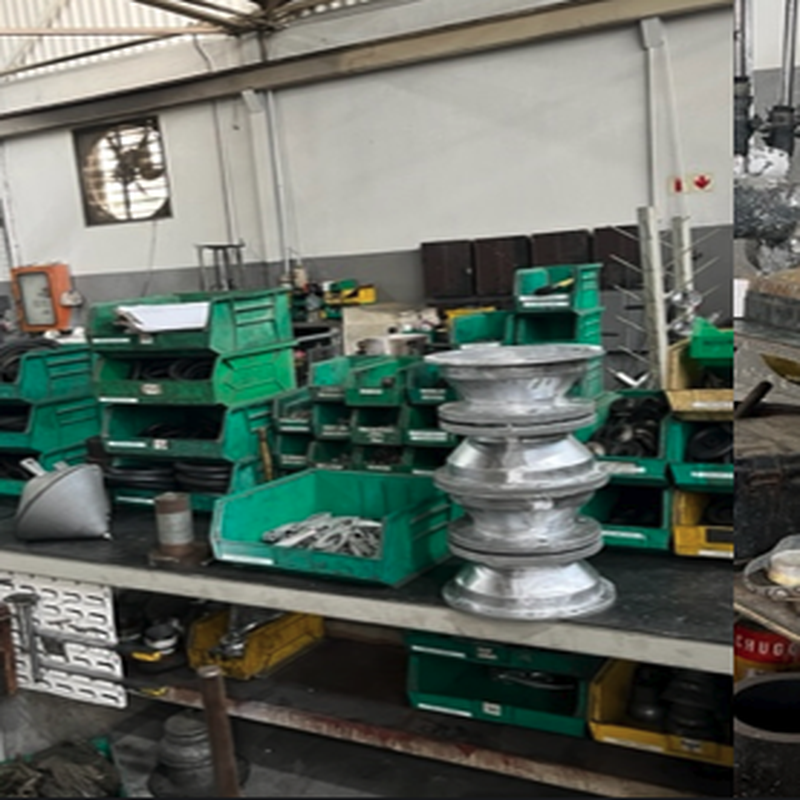
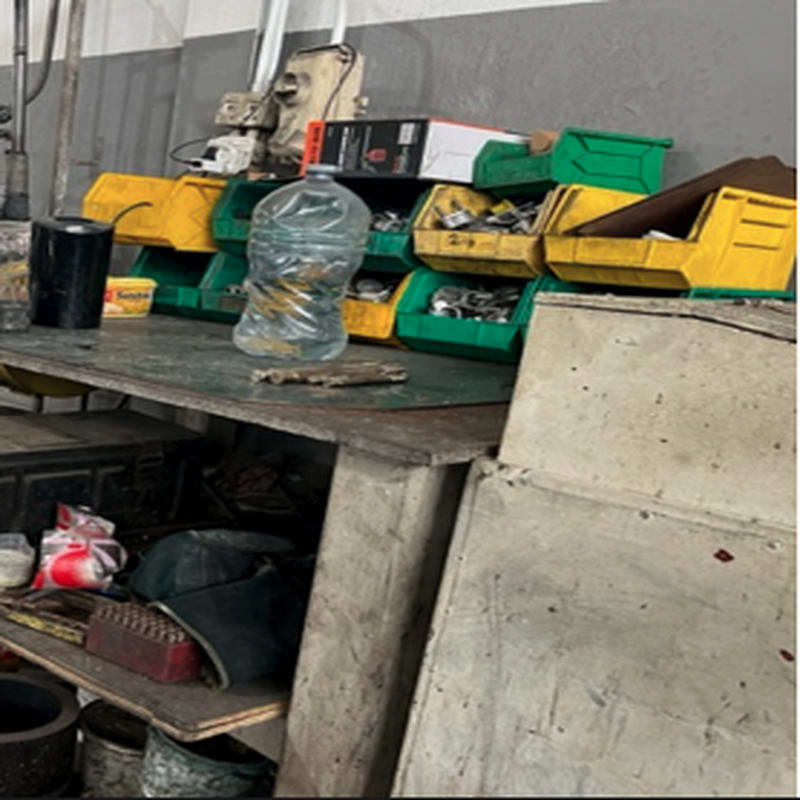
During a Value Stream Mapping (VSM) exercise, several obstacles were identified that were limiting productivity and preventing the achievement of operational targets:
- Poor workplace organisation
- Inefficient storage of tools and equipment
- Excessive search and retrieval time
- Lack of standardised material replenishment
- Production bottlenecks and workflow interruptions
- Increased work-in-progress (WIP)
- Safety concerns caused by cluttered work areas
These issues created unnecessary waste, reduced productivity, and negatively impacted operational flow.
Recognising the need for a structured improvement approach, management selected the 6S methodology to drive workplace transformation within the aluminium processing department.
The 6S Workplace Organisation Approach
The implementation began with comprehensive planning, employee training, and leadership alignment.
Employees were introduced to the six pillars of the 6S methodology:
- Sort
- Set in Order
- Shine
- Standardise
- Sustain
- Safety
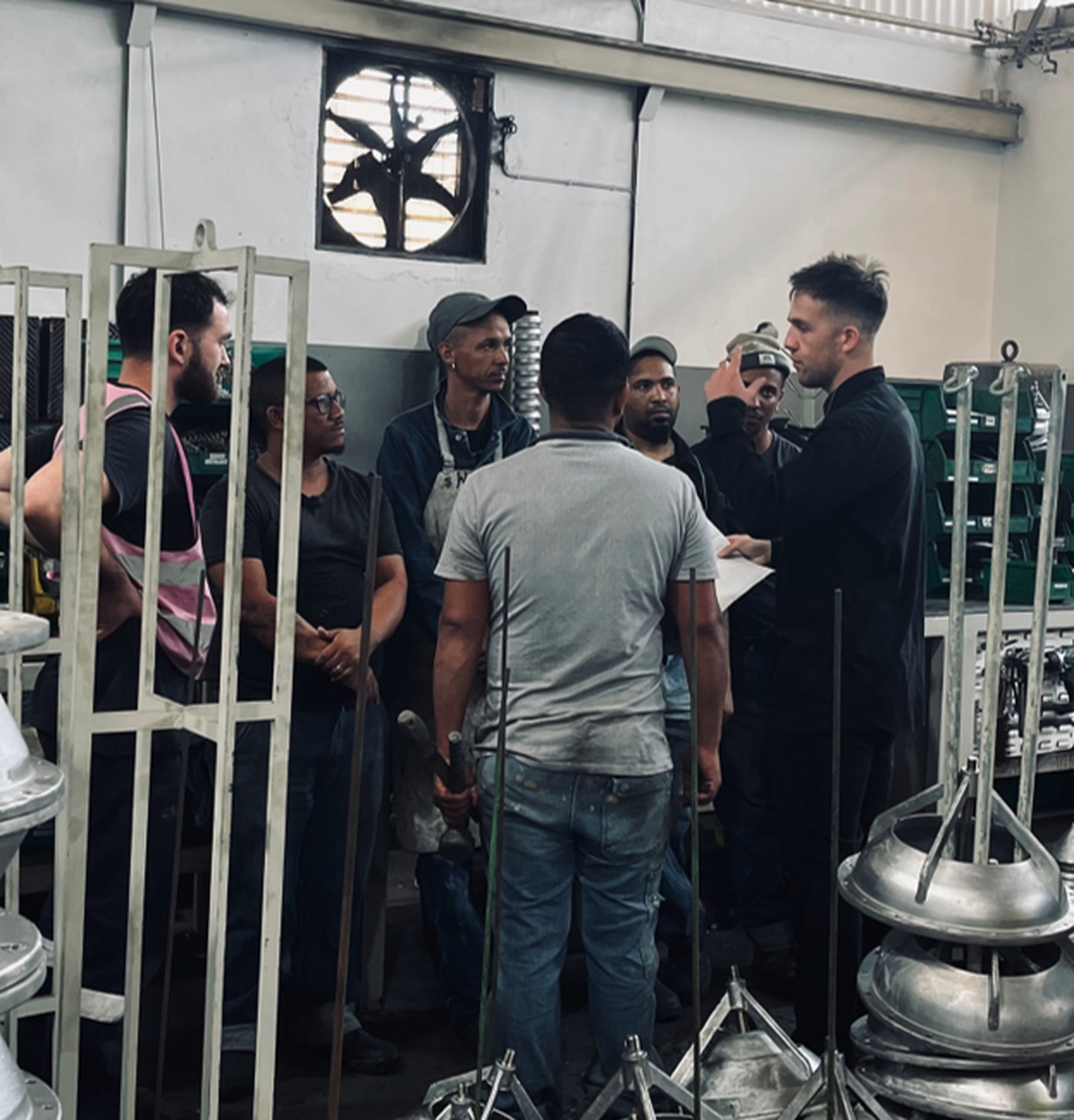
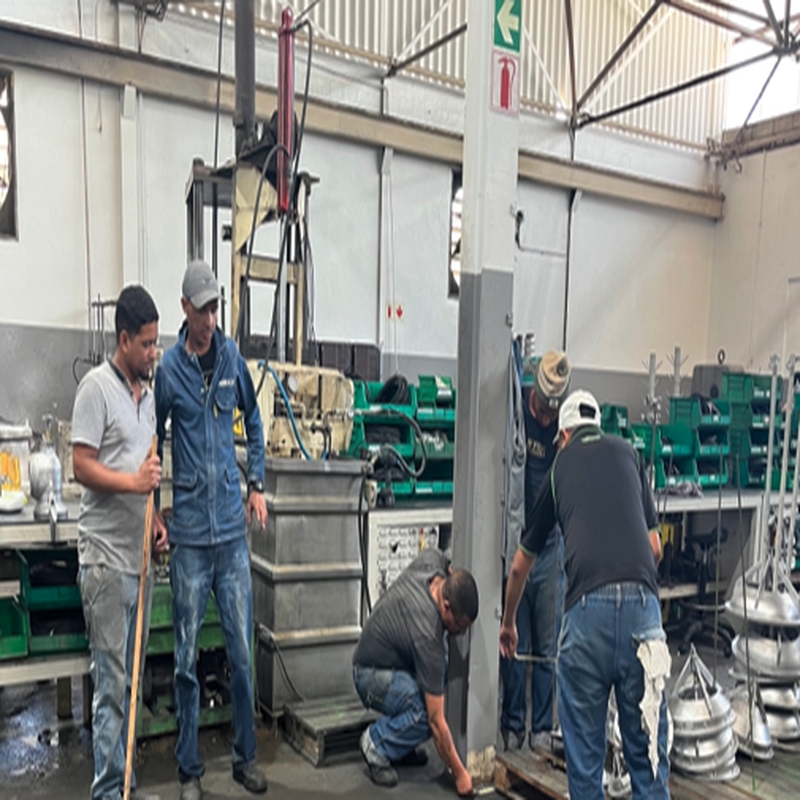
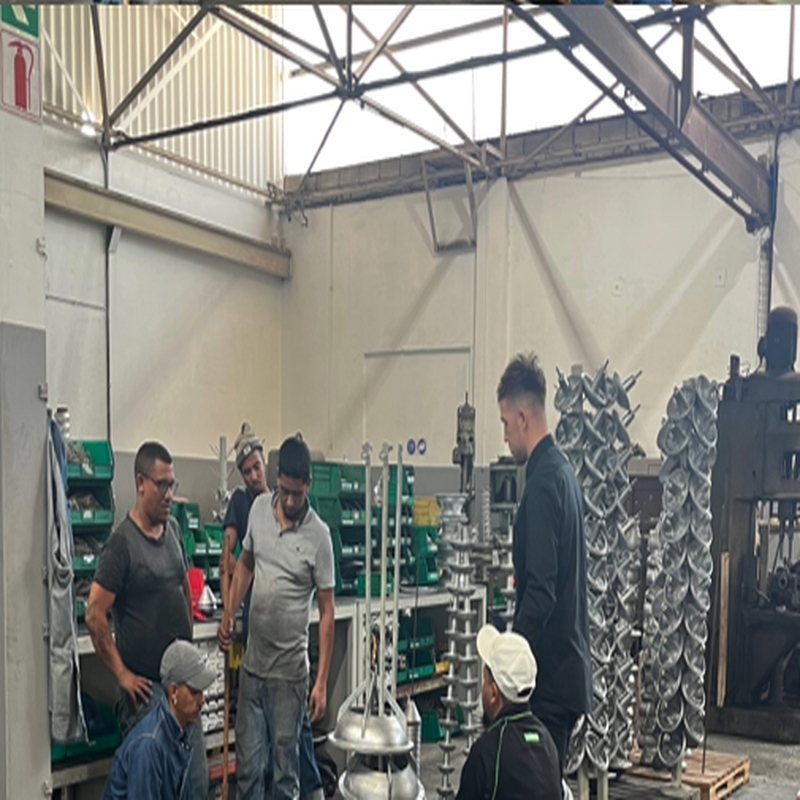
Experienced Lean coaches worked alongside teams throughout the implementation process, providing guidance, coaching, and support.
1. Sort
Teams conducted a comprehensive review of all tools, equipment, materials, and inventory within the work area.
Actions included:
- Removing unnecessary items
- Creating dedicated red-tag areas
- Eliminating clutter
- Freeing up valuable workspace
This step immediately improved visibility and reduced waste caused by excess materials.
2. Set in Order
A structured layout was developed to organise tools, equipment, and materials according to workflow requirements.
Improvements included:
- Clearly designated storage locations
- Visual management systems
- Labelling and identification standards
- Improved accessibility to frequently used items
These changes reduced search time and increased operational efficiency.
3. Shine
The work area underwent a complete cleaning and restoration process.
To sustain improvements:
- Daily cleaning routines were established
- Responsibilities were assigned to area owners
- Management agreed to stop production at 16:30 daily to allow dedicated time for cleaning and 6S activities
This created a cleaner, safer, and more professional working environment.
4. Standardise
To ensure consistency across the area, the team implemented:
- Visual standards
- Area ownership structures
- Daily and weekly checklists
- Workplace organisation guidelines
Clear expectations helped employees maintain improvements and reduce variation.
5. Sustain
Long-term sustainability mechanisms were introduced, including:
- Monthly 6S audits
- Weekly management gemba walks
- Daily visual management boards
- Performance tracking and accountability systems
- Recognition and reward programmes
Employees were empowered to identify improvement opportunities and take ownership of maintaining standards.
6. Safety
Safety became an integrated component of the workplace organisation system.
Key initiatives included:
- Safety observations during daily meetings
- Incident tracking and reporting
- Root cause analysis
- Countermeasure implementation
- Continuous safety awareness
This ensured that workplace organisation improvements also contributed to a safer working environment.
Results Achieved
The implementation of 6S delivered measurable improvements across productivity, safety, operational performance, and employee engagement.
Productivity Improvements
One of the most significant outcomes was the reduction of motion waste and search time for tools and materials.
Before 6S:
- Approximately 3 hours per day lost across four work areas
After 6S:
- Reduced to just 30 minutes per day
Throughput Increase
The reduction in non-value-added activities contributed to:
20% increase in throughput
This enabled the facility to produce more output using the same resources while improving flow and reducing delays.
Improved Workplace Safety
The introduction of visual controls, organised storage locations, and standardised work practices created a significantly safer working environment.
Benefits included:
- Reduced workplace hazards
- Improved housekeeping standards
- Increased visibility of risks
- Easier onboarding and training of new employees
Better Workflow Visibility
The implementation made work-in-progress (WIP) easier to monitor and manage.
Teams could quickly identify:
- Bottlenecks
- Delays
- Abnormal conditions
- Material shortages
This improved responsiveness and operational control.
Organisational Impact
The success of the aluminium processing area attracted attention from other departments across the facility.
Teams visited the area to observe best practices and explore opportunities to replicate the 6S methodology within their own operations.
Increased Employee Engagement
Perhaps the most valuable outcome was the cultural shift created by the initiative.
Employees reported:
- Greater ownership of their work areas
- Higher levels of engagement
- Increased accountability
- Improved teamwork
- Stronger commitment to continuous improvement
The project marked the beginning of a broader operational excellence journey focused on building a highly engaged, accountable, and continuously improving workforce.
Conclusion
This 6S implementation demonstrates how workplace organisation can become a powerful driver of operational excellence. By creating a safer, cleaner, and more efficient workplace, the agricultural equipment manufacturer achieved measurable gains in productivity, throughput, employee engagement, and safety.
The project highlights how Lean methodologies such as 6S can help manufacturing organisations reduce waste, improve operational performance, and build a culture of continuous improvement that delivers long-term business results.
